This is a repost, now with pictures!
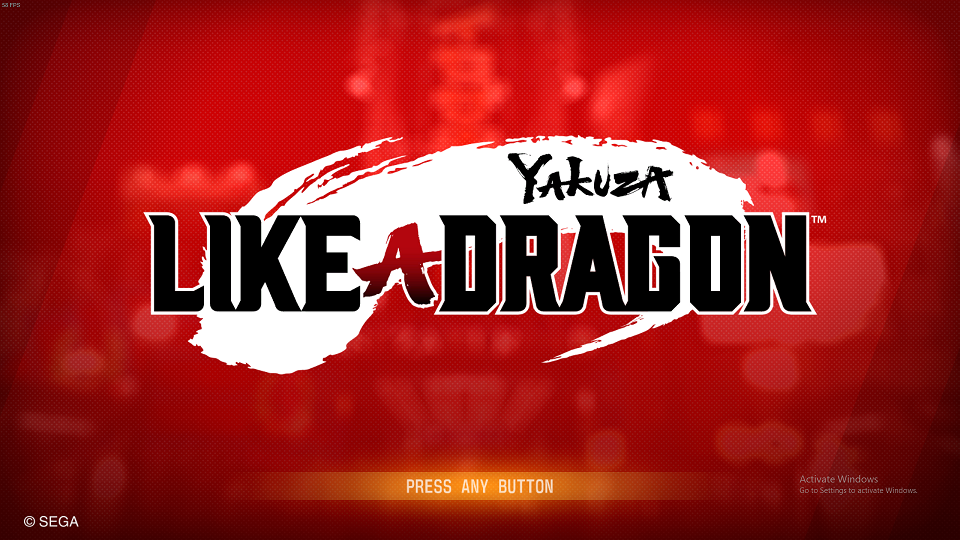
Yakuza: Like a Dragon is part of the long-running Yakuza franchise. In Japan, the franchise was always known as Like a Dragon while it was changed to Yakuza in America.. From this game on, it’ll also be called Like a Dragon. Now this is actually the 8th mainline game. There are some spinoff games as well and other related projects. However, it’s technically Like a Dragon 7. That’s because there is a Like a Dragon 0 game. So eighth game, but numbered seven. Everyone got it?
Yakuza: Like a Dragon is a great jumping in point for new players, though. It stars a brand new protagonist in a new city with a mostly new cast of characters. If you’ve played the previous games, there will probably be references. I have not, so all of that is going right over my head. The combat system has also changed from an action game to a turn-based JRPG style game. And it works really well.
Yakuza: Like a Dragon is a crime drama mixed with lots of quirkiness and humor. You’ll see seedy underbellies but also fun moments as the party navigates the criminal side of life.
Find it on Steam.
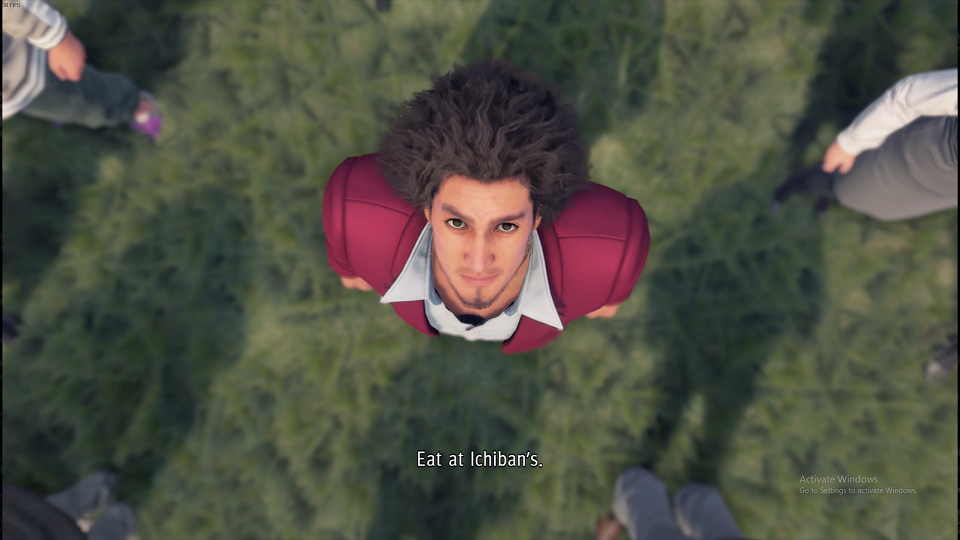
I’ll start off with the protagonist of the game, Ichiban Kasuga. He is a great main character. Despite a tough upbringing, he sees the Yakuza as full of honor and a way to help people. He is an optimist and is trying to make the world a better place. As long as you’re not a total jerk, your life will probably be better off having met him. He can forgive a lot of transgressions, and he’ll always fight for his friends. Still, Ichiban isn’t that typical of a JRPG protagonist. Rather than a teenager, he is a 42 year old man that’s totally into video games. But he also has to deal with adult problems, like being a 42 year old man with little to no marketable skills trying to make a living. The presentation of the game makes it all fun, though.
The other party members are all great characters as well. You can get to know them more by building bonds with them. There is Homeless Guy (his actual job title) Yu Nanba. Retiring detective Koiichi Adachi. Strong-willed club manager Saeko Mukoda. And a few other characters as well. And I got to point out how cute the interaction is whenever Ichiban decides to treat his friends to a meal. He’ll ask “Who’s hungry?” and everyone will say, “Me!” like a bunch of kids. It’s great.
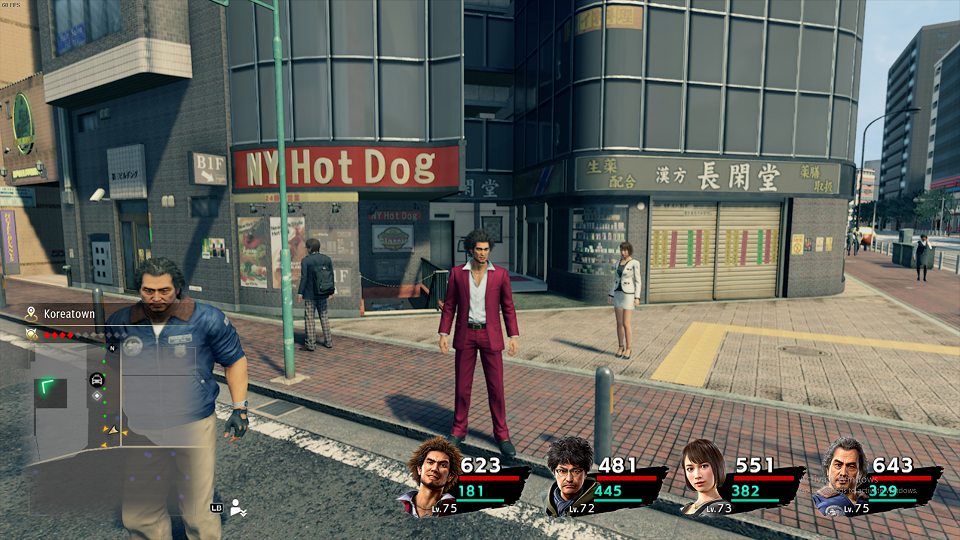
Now I play the game using the English dub like a rube, but the English voice acting is pretty great. They all fit the characters they’re portraying. The use of Japanese honorifics still feels fitting in English as well.
The combat of the game is a turn-based JRPG. Characters can change between different classes with different strengths and weaknesses. You can roll up with a crew of breakdancers if you want to. The guys and girls have an entirely different selection of classes, though, so the game does push them more into different roles. Since all of the classes are just normal things anyone can learn, there really isn’t any fanfare to unlocking new classes or lore to them, which can make them feel not that special.

The attacks are all given a realistic flavor. Like fire spells being you taking out a lighter and can of compressed air to create a makeshift flamethrower. There are even summons, only here, they’re you calling on various friends to make over substories. Did you even want to summon a grown man with a being a baby fetish to wail on your enemies? And by wail I mean throw a tantrum on the ground while wearing a diaper.
What do you mean no?
Combat is interesting in the sense that you have to physically be in reach of your opponent to hit. Sometimes, obstacles get in the way and your attacks will miss because you can’t get close enough. Area of effect attacks can also hit less enemies because everyone is moving around so who’s in range will constantly be shifting. And skill usage comes with funny comments like someone dancing like a jackass to cause a status effect or someone mad dogging you.
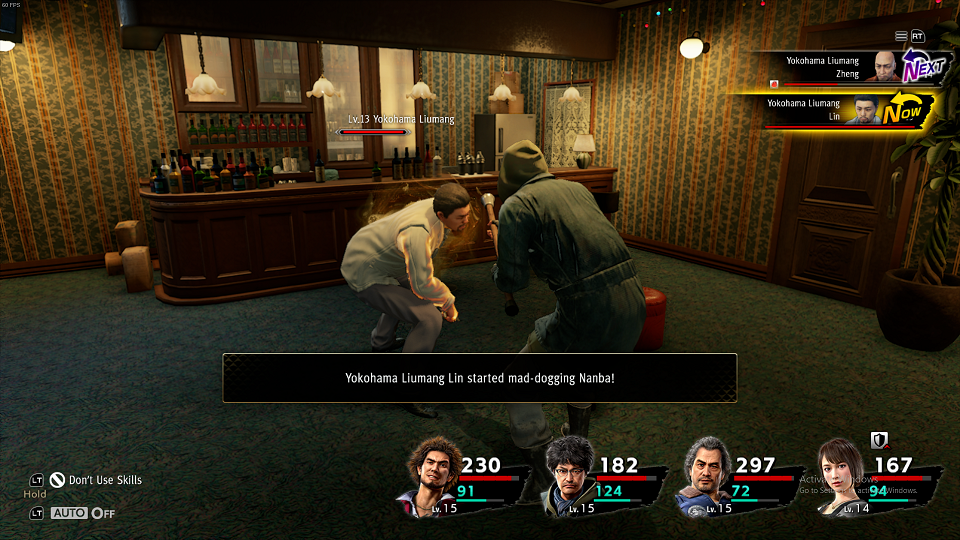
Still, combat looks dynamic and is a solid system. Civilians will run away from the combat area. Some will stand around the outside cheering the combat. Be careful about fighting in the street, though. You can knock and get knocked into the path of oncoming cars and take a lot of damage. And in this game, if Ichiban falls unconscious, you lose despite other characters being able to help revive him.
The game world you can explore is primarily the district of Injincho. Pretty much all of it is unlocked from when you arrive, so as long as you can beat the strong enemies roaming around, you can go anywhere. Though they should call this place beef city with how many ill-mannered people are walking the streets looking for fights.
The shops are all pretty much set, too. So if you can somehow make enough money, you can buy powerful equipment whenever you want. The bad thing with set shops is remembering who sells what since each shop has a different inventory. Getting around the city is primarily on foot, though there are fast travel taxis. You have to talk to each individual taxi to unlock that fast travel point, which I did not figure out until later, after seeing a lot of taxis I ignored. Yeah, it makes sense from a gameplay sense, but not from a real life city sense.
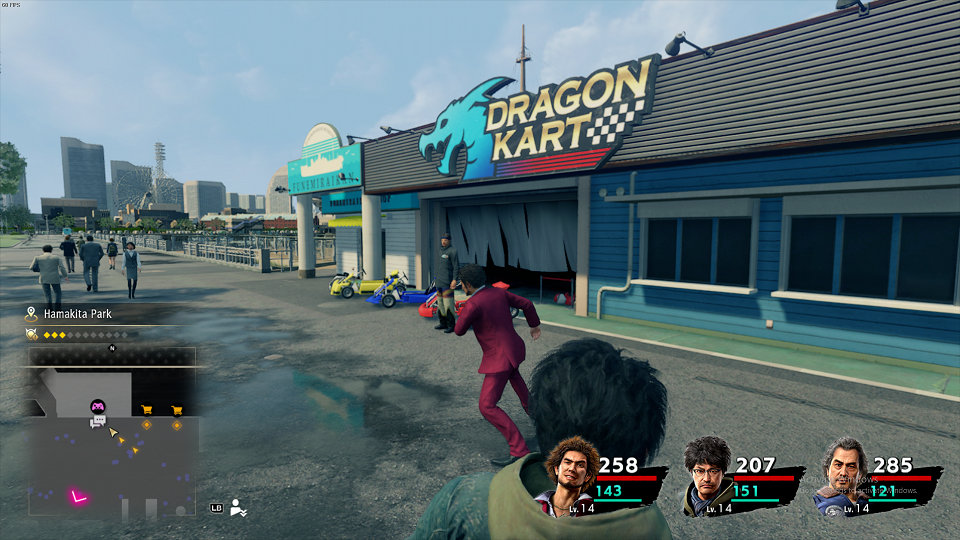
The city is vibrant and interesting, with both a day and night version. The many substories around the city are where most of the humor and fun come from. You’ll meet a wide variety of characters with problems that Ichiban can’t help but get involved in. There are a bunch of side activities to do as well. There are simple things like mahjong to full on Mario kart-like racing game. You can even play Virtua Fighter 2 and 5, yes, the old fighting game. Only in arcade mode, though. There is a company management minigame that I find pretty engaging, if tough to get into due to the low amount of explanations about stuff. Still, once you get going, it’s neat.
Sometimes, I do enjoy just walking around the city, taking in the sights and visiting the various restaurants. It’s loosely based on a real city, so I’m sure there are recognizable landmarks for those that have actually visited. Just watch out when walking around, though. Just like in combat, you can get hit by cars if you cross streets haphazardly.
The plot of the game starts off slow with lots of cutscene exposition. They’re all interesting cutscenes, but for the first few hours, you’ll be doing more watching than playing. Chapter 4 of the game is about when things start opening up and the various systems click into place. The plot is an interesting look into the crime world and the people that run it. Expect betrayals and alliances. Today’s enemies can be tomorrow’s friends.
Later on, the story has more references to previous Like a Dragon games, but it is still easy enough to follow along.
The most annoying part of the game are the dungeons. They tend to be long. Dungeons are a part of the game where you can’t save when you want, so you need to set aside hours of time to get through or hope they decide to give you a save point. And if you lose inside? You’ll be put back at the start of a checkpoint with all enemies back to bother you again.
Other annoying parts? The encounters in the game world. Enemy groups pretty much respawn immediately after you defeat them, and they have a knack for spawning right in the way of where you want to go. Often times, I would fight group after group just going down one street. And don’t be fooled by enemies having sight cones. They have 360 degree detection.
Also, the run button is the same as the interact button. And the zone for interactions of a person or object is quite small. Expect to accidentally start running when you want to interact with something. Then Ichiban’s going to need to turn around. If you run back, hope you don’t overshoot the interaction zone again.
The characters and story of the game are full of emotion. The substories are full of fun. The main plot contains the drama. Yakuza: Like a Dragon is a quirky and engaging representation of the criminal side of Japan. They make the mundane situations feel big and dramatic. Join Ichiban and his friends on their journey through life and trying to make the city a better place.
Since the game seems to use mostly realistic yen prices for things not related to gear, this is just a currency conversion reference for no particular reason. Though this is for the year 2024 while the game takes place in 2019 so rates were likely different then.
1 USD = 152.45 Yen
1 CAD = 108.28 Yen
1 Euro = 159.67 Yen
1 Pound = 191.56 Yen
1,000,000 Yen = 6560.00 USD = 9236.30 CAD = 6261.31 Euro = 5220.26 Pound
Find it on Steam.
Leave a Reply
You must be logged in to post a comment.